
Products
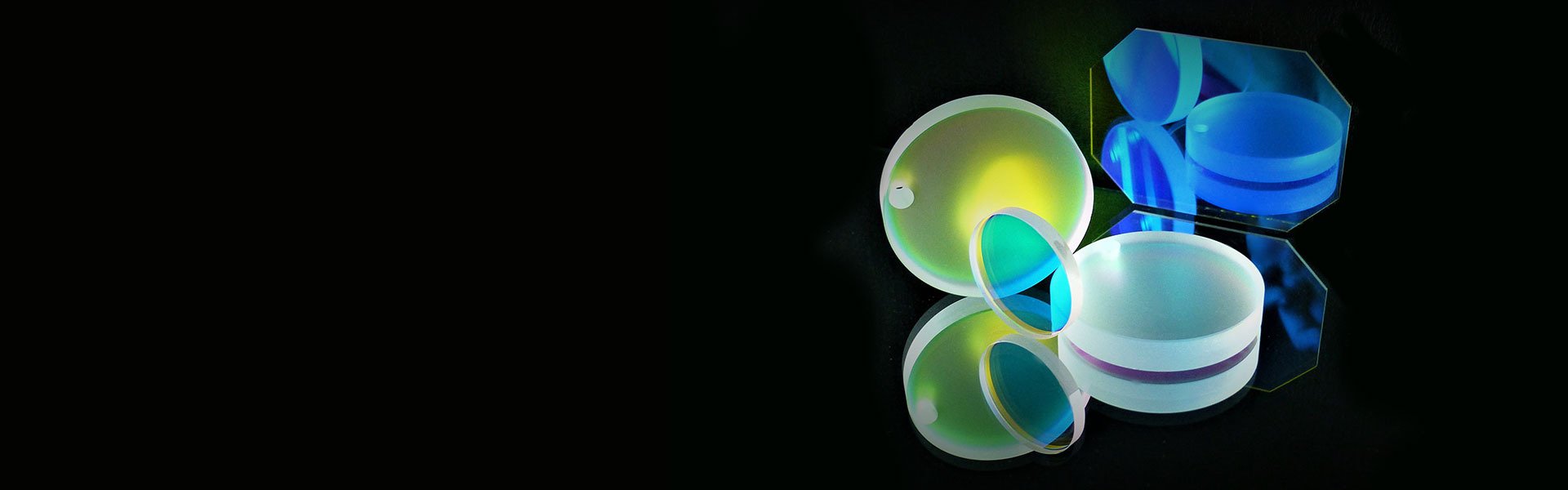
Fluorescence bandpass filter is a special optical filter mainly used in fluorescence detection system (such as fluorescence microscope, flow cytometer, biochemical analyzer, etc.), whose core function is to selectively transmit the fluorescence signal of a specific band while blocking the excitation light and other stray light, in order to improve the signal-to-noise ratio and detection sensitivity.
| Parameter | Typical Value | Influence |
| CWL | Selection based on fluorescent dye (e.g. Cy5: ~670 nm) | It must match the fluorescence emission peak or the signal is lost. |
| FWHM | 10~40nm (narrow band) | The narrower the bandwidth, the higher the signal-to-noise ratio, but the signal strength may be reduced. |
| Cut-off Range | OD4~OD6 (excitation light band) | Ensure complete blocking of excitation light (e.g., 488 nm laser) to avoid background interference. |
| AOI | 0° (vertical incidence optimal) | Tilted incidence may result in a CWL offset (requires selection of an angle-compensated design). |
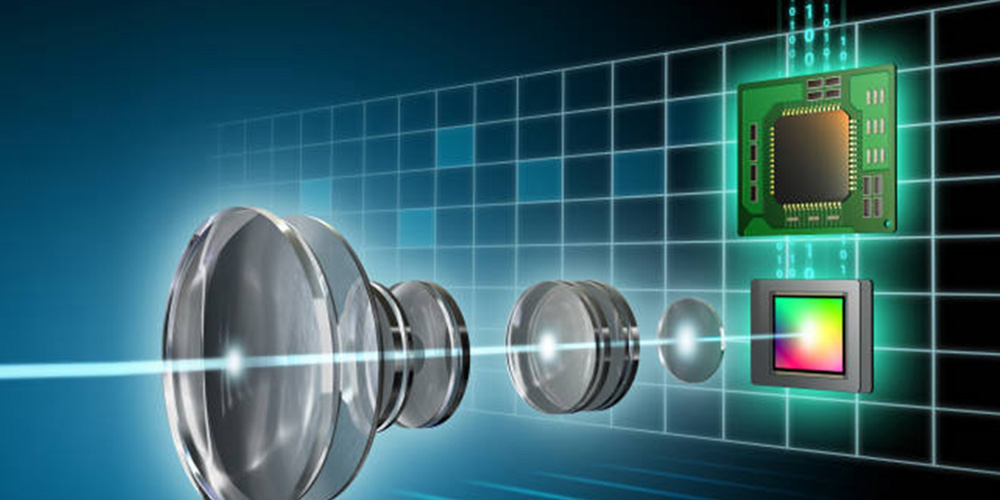
Center Wavelength (CWL): The wavelength at which the filter has the highest transmittance, which needs to match the emission peak of the fluorescent dye (e.g. FITC: ~525 nm, DAPI: ~460 nm).
Full Width at Half Maximum (FWHM): The wavelength range in which the transmittance is ≥50%, commonly narrowband (10~40 nm) or broadband (50~100 nm).
Peak Transmittance (Tpeak): Usually >90% (up to 95% or more for high quality filters).
Blocking Range: Optical density (OD) in the non-passband region (e.g., excitation band) should be ≥ OD4 (i.e., transmittance < 0.01%).
| Common fluorescent dyes and filters matching | |||
| Dye/Probe | Excitation Wavelength | Emission Wavelength | Recommended Filter Combination |
| SYBR® Green | 497 nm | 520 nm | 480–500 nm Ex / 510–540 nm Em |
| FAM | 494 nm | 520 nm | 480–500 nm Ex / 510–540 nm Em |
| HEX/VIC | 535 nm | 556 nm | 520–550 nm Ex / 550–580 nm Em |
| CY5 | 640 nm | 670 nm | 630–650 nm Ex / 660–690 nm Em |
| Texas Red | 589 nm | 615 nm | 570–600 nm Ex / 610–630 nm Em |
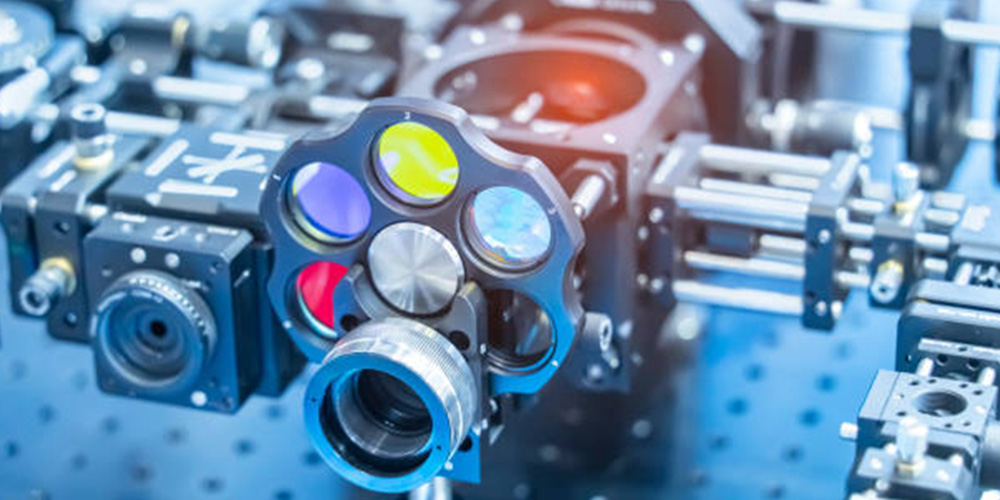
Fused Silica Windows in High-Power Lasers
The application of fused silica windows in high-power lasers is critical and irreplaceable. They primarily serve the dual roles of an “optical barrier” and a “laser transmission channel.”
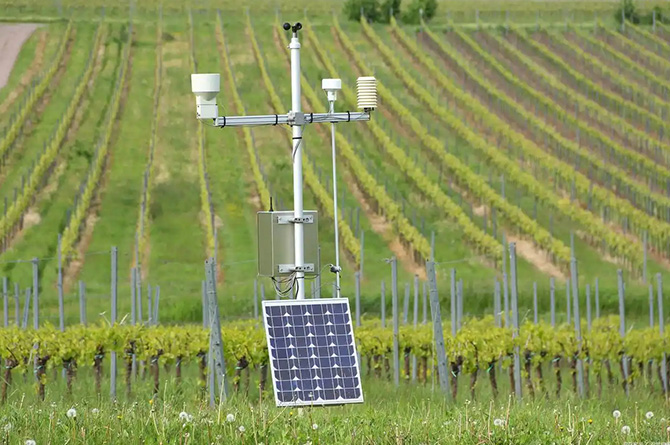
Optical Lenses Used in Agricultural Sensors
In essence, the application of optical lenses in agricultural sensors involves converting optical information (light intensity, spectrum, images) into electronic signals, which are then analyzed to determine the status of crops, soil, and the environment.
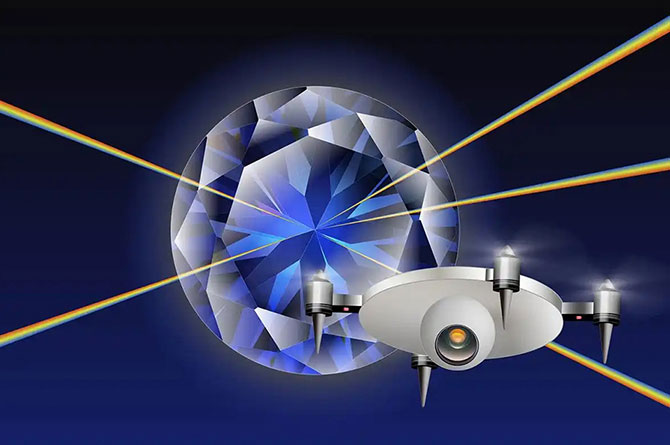
Distinguishing Diamonds from Imitations: Most common diamond imitations (such as synthetic cubic zirconia, moissanite, and glass) either exhibit no fluorescence or display fluorescence characteristics distinctly different from those of natural diamonds (e.g., in color or uniformity).