
Products
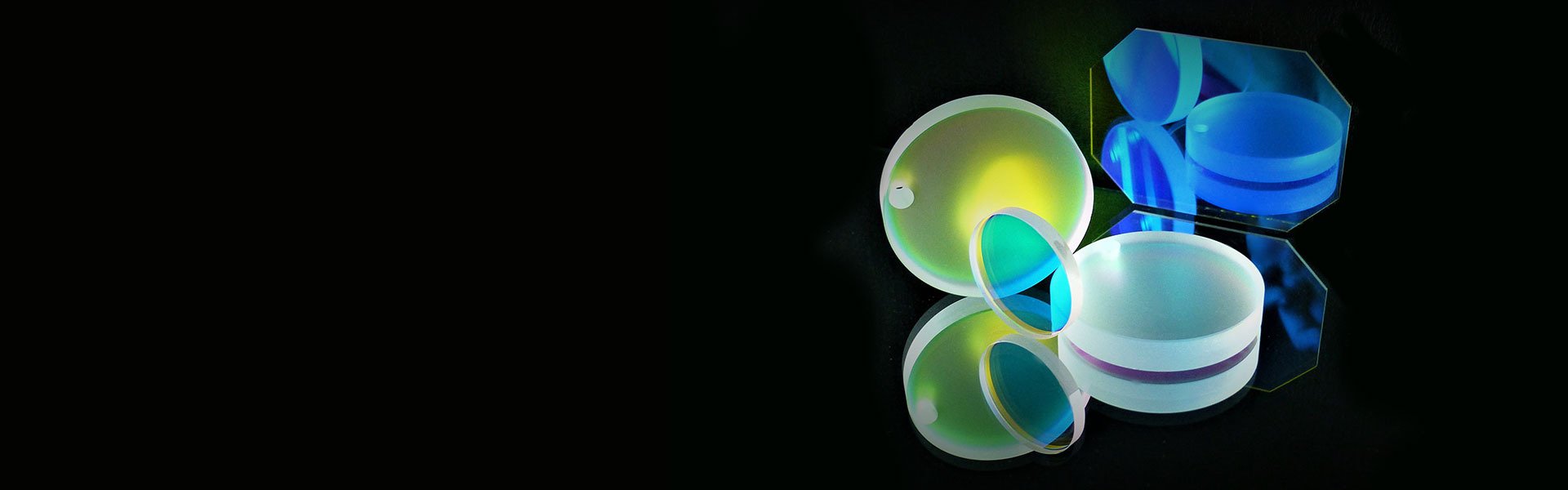
In essence, the application of optical lenses in agricultural sensors involves converting optical information (light intensity, spectrum, images) into electronic signals, which are then analyzed to determine the status of crops, soil, and the environment.
Function: To collect light and focus it onto the sensor to form a clear image. They are the “eyes” of the sensor.
Convex Lens: The most common type, used for converging light rays.
Achromatic Lens: Corrects chromatic aberration, improving image quality for multispectral imaging. This is crucial for precision agriculture.
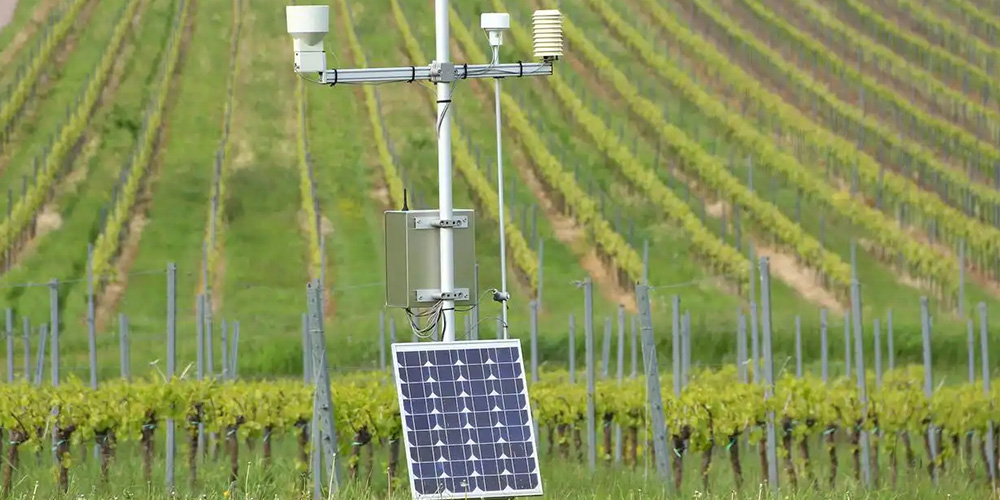
Ge Lens / ZnSe Lens: Specifically designed for the thermal infrared band (8-14μm). Used in thermal imaging sensors to monitor crop water stress.
Application: Found in almost all imaging sensors, such as multispectral cameras, thermal cameras, and RGB cameras.
Function: To selectively allow light of specific wavelengths or bands to pass through while blocking others. They are key to spectral analysis.
Bandpass Filter: Allows only a narrow band of light to pass (e.g., center wavelength 850nm ±10nm). Each channel in a multispectral camera has one.
Longpass / Shortpass Filter: Allows light longer or shorter than a specific wavelength to pass.
Neutral Density Filter: Uniformly attenuates the intensity of all wavelengths to prevent sensor overexposure.
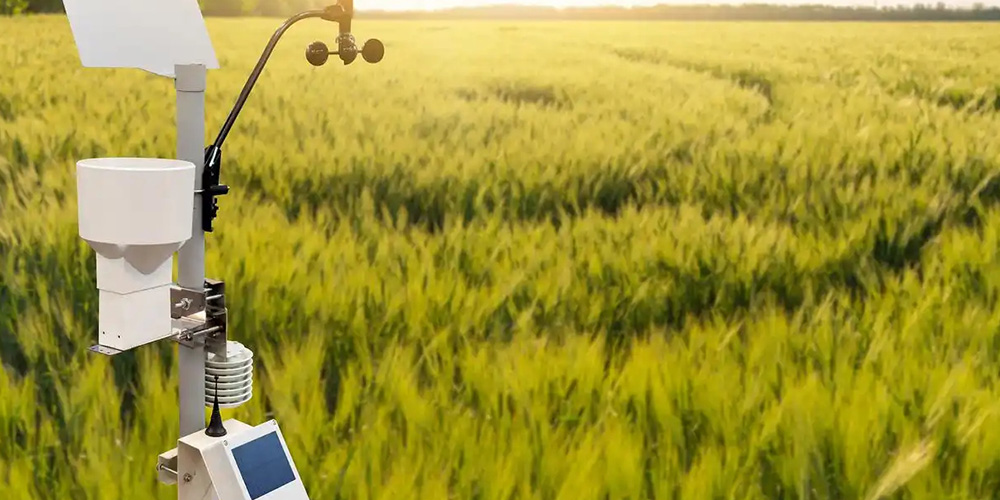
Application: Used in multispectral/hyperspectral cameras, chlorophyll fluorescence sensors, and ambient light sensors.
Function: To split one incident light beam into two or more beams traveling in different directions.
Cube Beamsplitter: Made by cementing two right angle prisms together; uses an interference coating to split light.
Plate Beamsplitter: A flat glass plate with a coating that splits the beam.
Application: Separation of light into different channels for sensors in a multispectral camera; isolation of transmit and receive paths in a lidar.
Function: To protect the sensitive internal optical components from dust, moisture, mechanical damage, and chemical corrosion.
Requirements: High transmittance, hardness, and good weatherability. For thermal imaging applications, the window must be made of Germanium or Zinc Selenide.
Application: All agricultural sensors that operate outdoors.
Function: To disperse incident light spatially according to its wavelength using the phenomenon of diffraction. They are the “heart” of a spectrometer.
Application: Hyperspectral imagers, which capture continuous spectral information for each pixel, used for refined material composition analysis (e.g., nitrogen content, sugar content).
Function: To change the direction of the light path, folding the optical system to make it more compact.
Types: Typically front surface mirrors with metallic (e.g., aluminum, silver) or dielectric coatings.Application: Used in spectroscopy and telescope systems.
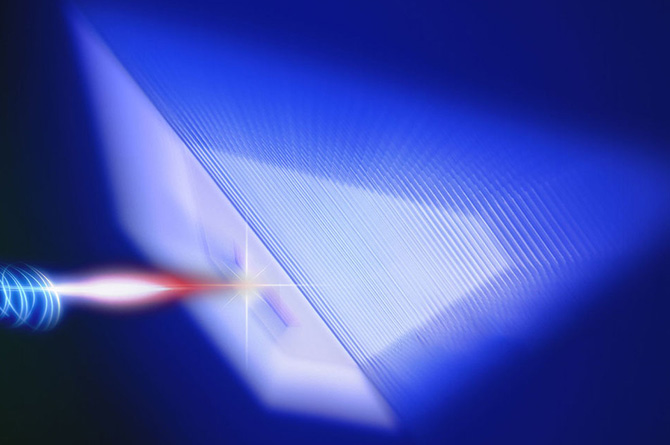
Fused Silica Windows in High-Power Lasers
The application of fused silica windows in high-power lasers is critical and irreplaceable. They primarily serve the dual roles of an “optical barrier” and a “laser transmission channel.”
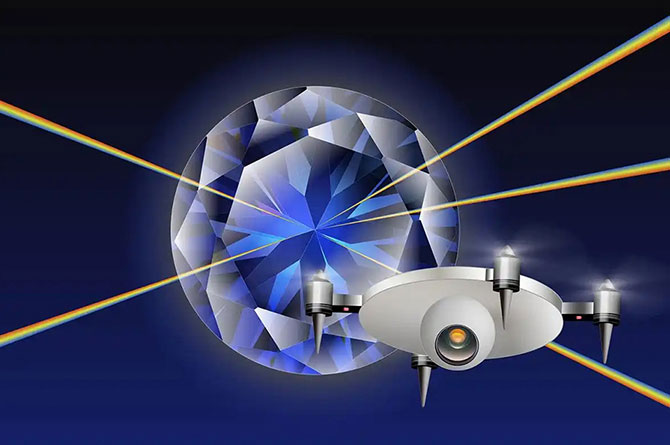
Distinguishing Diamonds from Imitations: Most common diamond imitations (such as synthetic cubic zirconia, moissanite, and glass) either exhibit no fluorescence or display fluorescence characteristics distinctly different from those of natural diamonds (e.g., in color or uniformity).
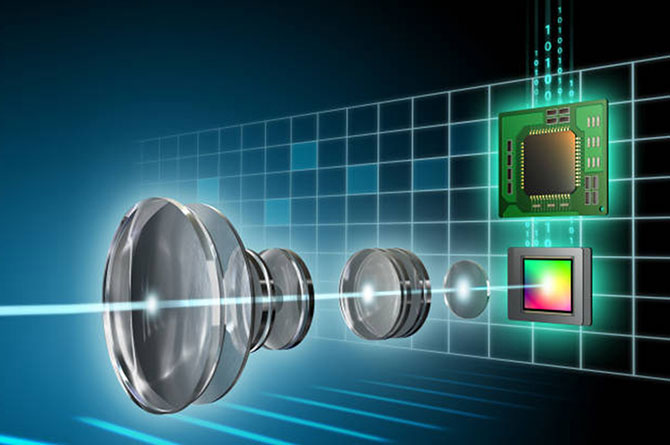
Bandpass Filters in Fluorescence Filed
Fluorescence bandpass filter is a special optical filter mainly used in fluorescence detection system (such as fluorescence microscope, flow cytometer, biochemical analyzer, etc.).