
Products
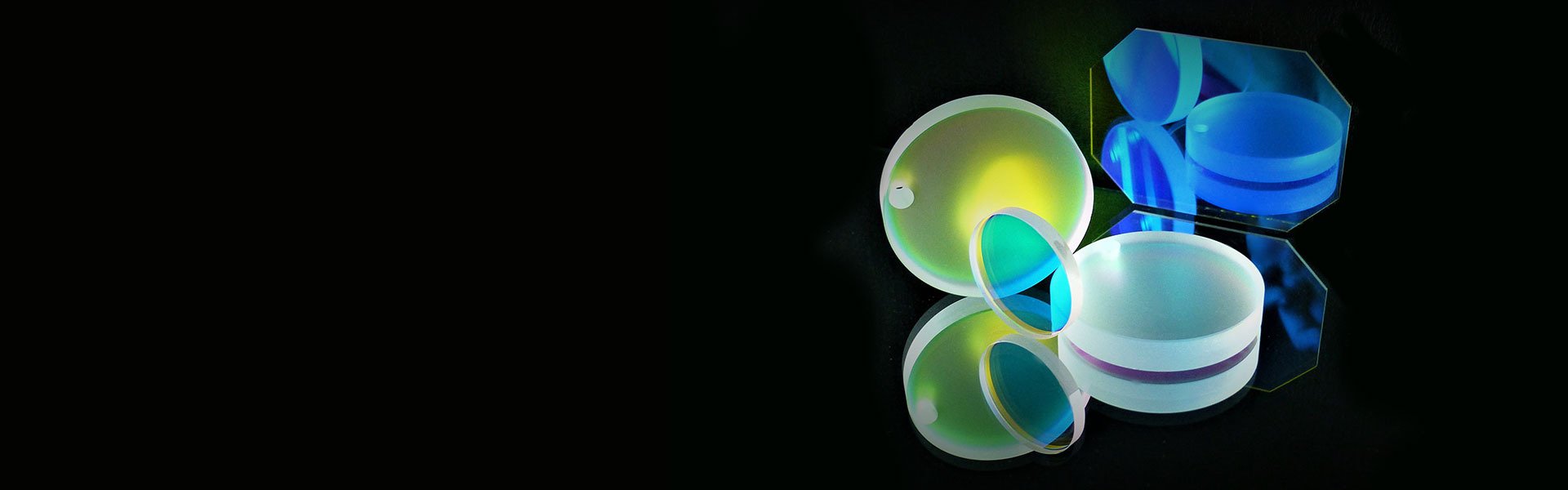
Silicon lenses play a crucial role in refrigerator sensors, particularly in infrared sensors, by significantly enhancing sensing accuracy and efficiency.
The core function of a silicon lens is to focus infrared radiation. Objects such as food emit infrared rays, the intensity of which correlates with temperature. The silicon lens placed in front of the infrared sensor collects and focuses these infrared rays onto the sensing element.
Through lens design (e.g., Fresnel lens), the sensor’s field of view is defined and limited, reducing interference and ensuring that the detection targets the intended objects rather than the surrounding environment or the inner walls of the refrigerator.
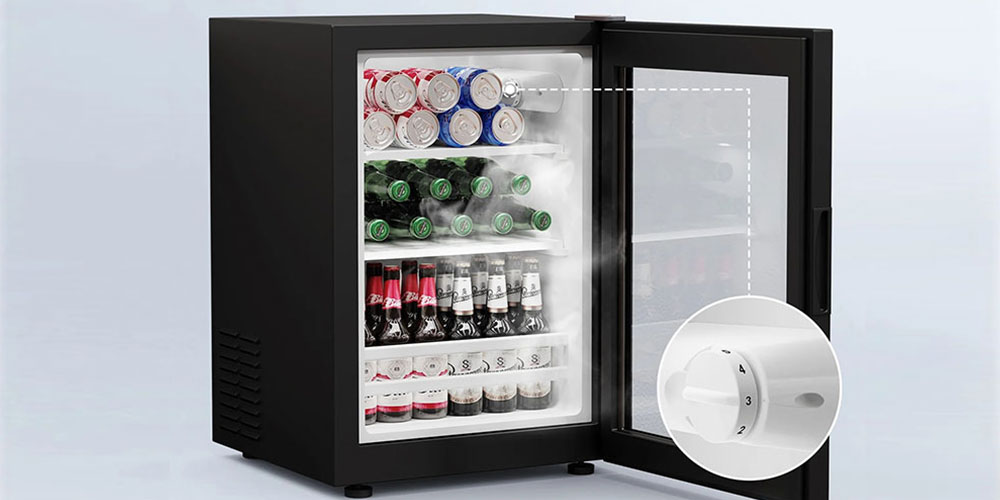
For pixel-array type infrared sensors (such as thermopile arrays), the silicon lens also aids in forming a thermal image, thereby identifying the location, distribution, or surface temperature variations of items inside the refrigerator.
Key Technical Implementation Aspects:
Lens Material: Silicon lenses are widely used in refrigerator infrared sensors. Silicon offers high transmittance in the infrared spectrum (particularly in the 8–14 μm atmospheric window), relatively low cost, and mature processing technology.
Lens Type: Fresnel lenses are commonly adopted. They achieve the focusing effect of a plano convex lens through concentric ring structures while being thinner and lighter, facilitating sensor miniaturization and cost reduction.
Sensor Type: Either a single infrared sensor can be used to monitor a specific area, or an infrared array sensor (e.g., thermopile array or resistive array) can be employed to obtain temperature distribution information. Array sensors may come in various resolutions such as 4×4 or 8×8.
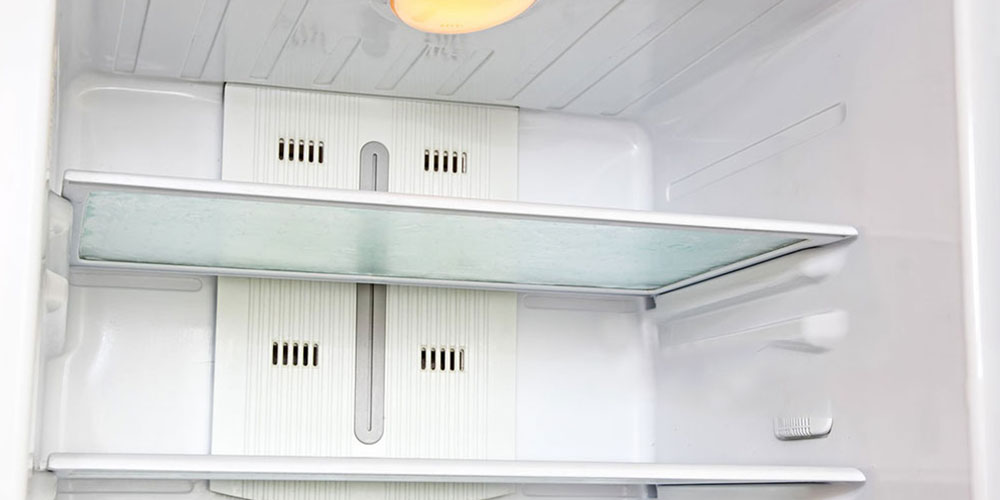
Advantages and Future Prospects:
The integration of silicon lenses enables refrigerator sensors to “see accurately” and “see clearly,” offering the following benefits:
1. Improved Energy Efficiency: Cooling is based on the actual needs of items, reducing wasted energy.
2. Enhanced Freshness Preservation: Temperature control is more stable and aligned with the actual condition of food.
3. Better User Experience: Enables smart features such as automatic mode switching and food recognition reminders.
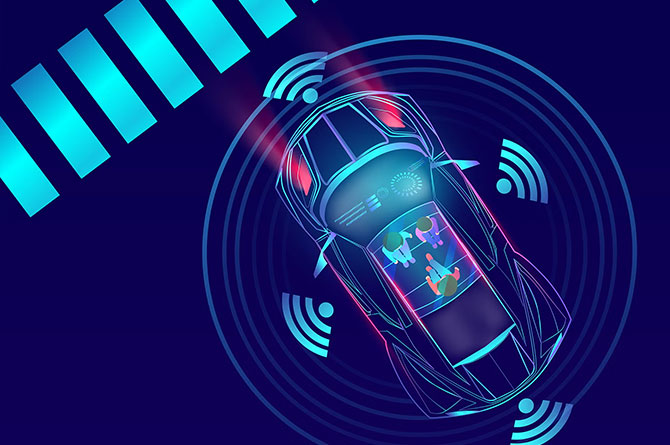
Spherical Lens, Aspheric Lens & Filters in Autonomous Vehicles
Optical components serve as the “eyes” and “visual nerves” of autonomous vehicles, forming the core sensor system for environmental perception.