
Products
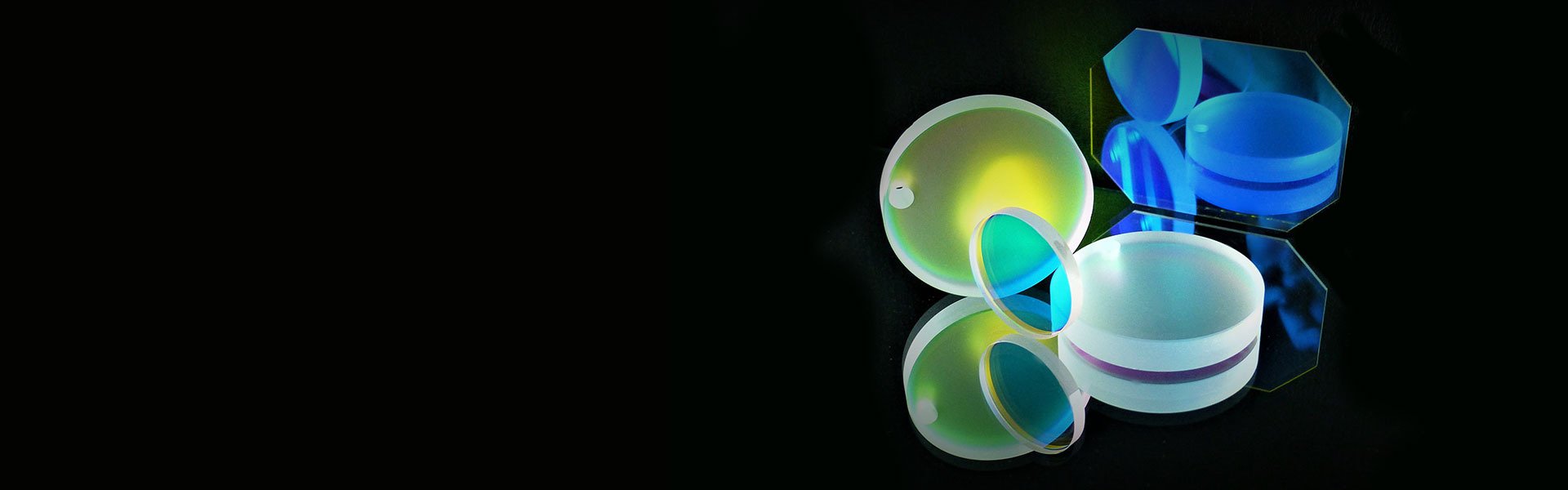
Optical components serve as the “eyes” and “visual nerves” of autonomous vehicles, forming the core sensor system for environmental perception. The reliability of autonomous driving heavily depends on the accurate perception of the surroundings by these optical devices.
Autonomous vehicles typically rely on multi-sensor fusion technology, with three major mainstream sensors all heavily dependent on optical technology:
Cameras act as the “retina” of autonomous vehicles, capturing rich visual information (colors, textures, text, etc.).
Applications: Lane detection, traffic light and sign recognition, vehicle and pedestrian classification, behavior prediction.
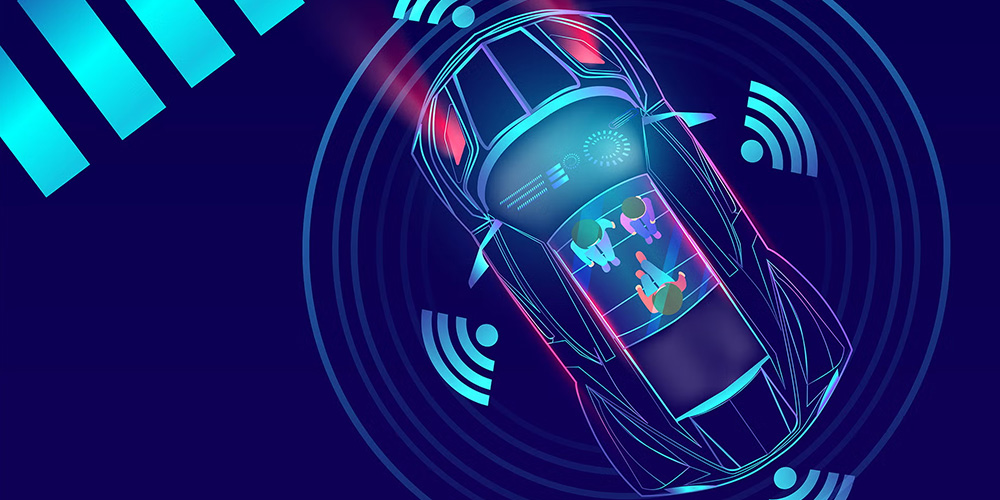
Key optical components:
Lens Assembly: Composed of multiple spherical/aspherical lenses for focusing light, correcting aberrations, and determining focal length (e.g., wide-angle, telephoto).
IR Cut Filter: Filters out infrared light, which is invisible to the human eye but can interfere with imaging, ensuring accurate color representation, especially during day-night transitions.
Polarizer: Reduces glare reflections from roads, glass, and water surfaces, enhancing image contrast and recognizability.
LiDAR serves as the “high-precision ruler” of autonomous vehicles, constructing 3D point cloud maps of the surrounding environment using laser beams.
Applications: Real-time generation of high-precision 3D environmental maps, obstacle shape and distance detection, SLAM (Simultaneous Localization and Mapping).
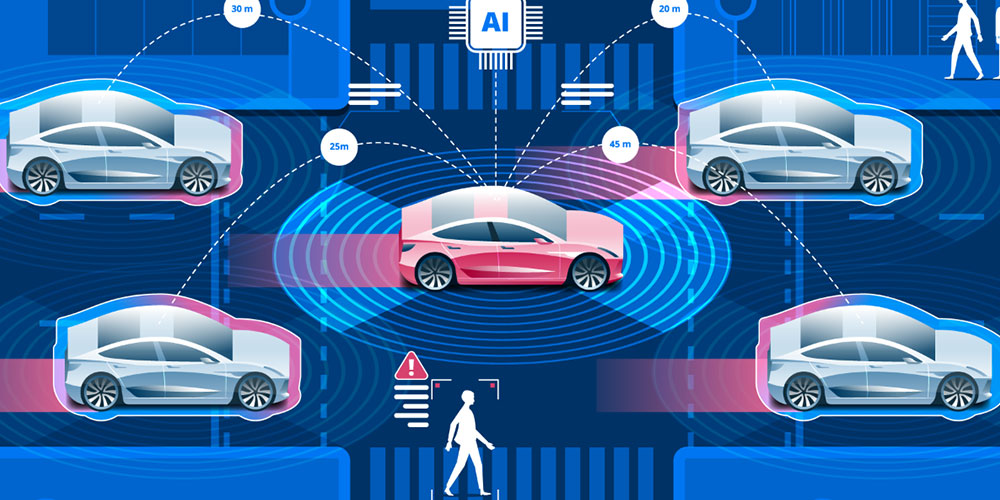
Key optical components:
Transmitter: Laser diode (light source), collimating lens (converts laser beams into parallel light).
Scanning System: MEMS micro-mirrors (high-speed laser scanning via tiny vibrating mirrors), rotating polygonal mirrors (used in mechanical LiDAR).
Receiver: Large-aperture receiving lens (collects faint returning laser signals), narrow bandpass filter (ultra-narrow bandwidth, allowing only specific wavelengths of laser light to pass through while strongly suppressing background noise such as sunlight), photoelectric detector.
Optical components are also used to monitor the driver’s status inside the vehicle to ensure safety.
Applications: Fatigue detection, distracted driving warning, gaze tracking.
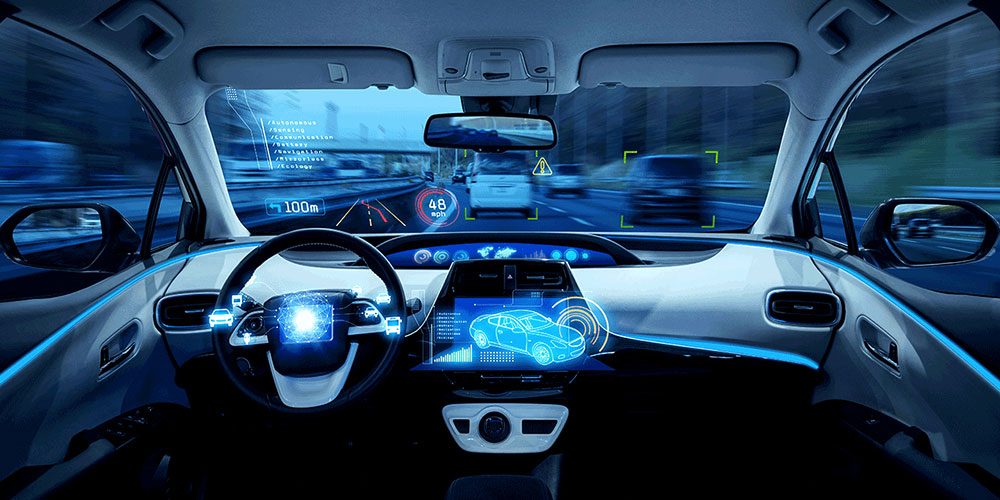
Key optical components:
IR Camera: Uses 850nm or 940nm infrared LEDs as the light source (invisible and non-disruptive to the driver), paired with an infrared-pass filter to capture clear facial images under any lighting condition, including at night. Optical Lens: Focuses infrared light to form clear images.
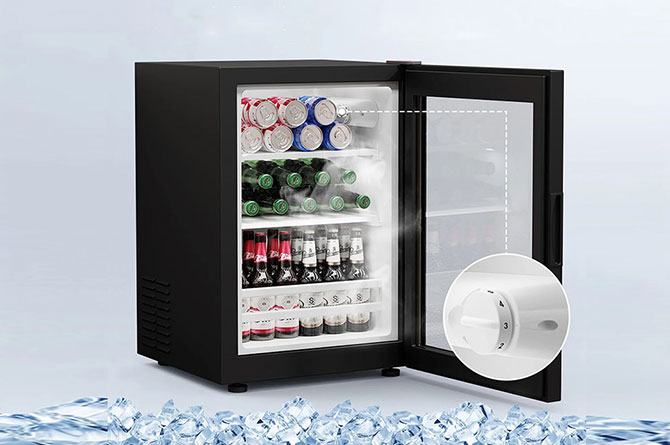
Silicon Lenses and Fresnel Lenses in Refrigerator Sensors
Silicon lenses play a crucial role in refrigerator sensors, particularly in infrared sensors, by significantly enhancing sensing accuracy and efficiency.