
Products
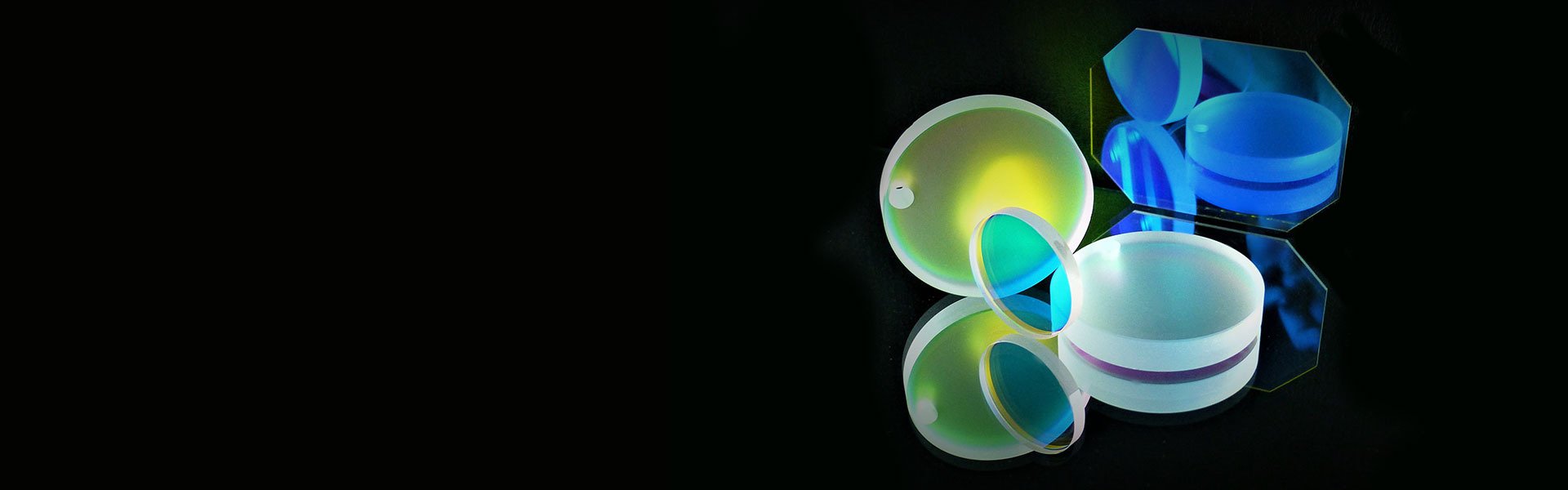
Distinguishing Diamonds from Imitations: Most common diamond imitations (such as synthetic cubic zirconia, moissanite, and glass) either exhibit no fluorescence or display fluorescence characteristics distinctly different from those of natural diamonds (e.g., in color or uniformity). Observing fluorescence allows for rapid preliminary screening.
Identifying “Jager” Diamonds: A rare Type II diamond, known for its unique blue-white fluorescence under long-wave UV light, can be identified with the aid of a filter.
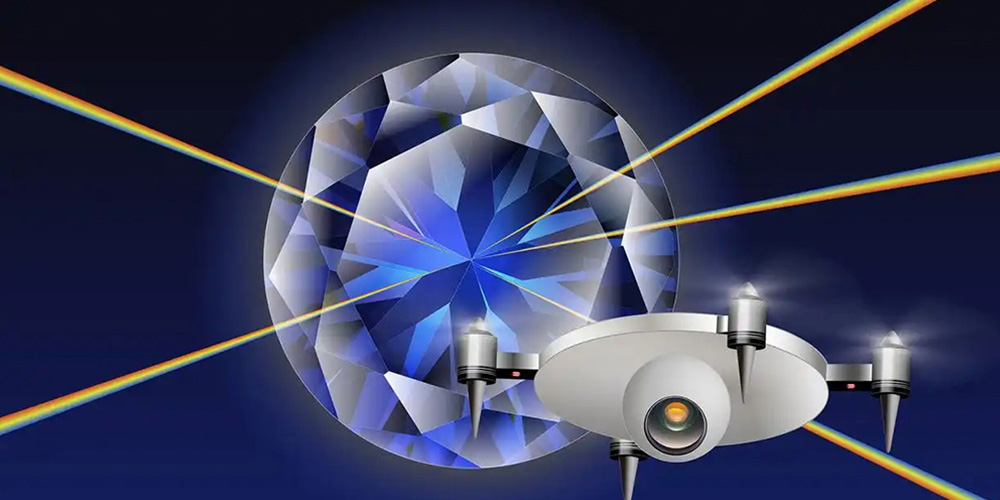
In diamond detection, UV filters are a crucial and specialized tool, primarily utilized based on the fluorescence characteristics of diamonds.
According to standards set by authoritative institutions like the GIA (Gemological Institute of America), the fluorescence intensity of diamonds is categorized into grades such as “None,” “Faint,” “Medium,” “Strong,” and “Very Strong.”
Procedure: In a darkroom, a standard long-wave UV lamp (365nm) is used to illuminate the diamond.Role of the Filter: Inspectors wear amber or deep yellow UV filter glasses or view the diamond through an observation device equipped with such a filter.
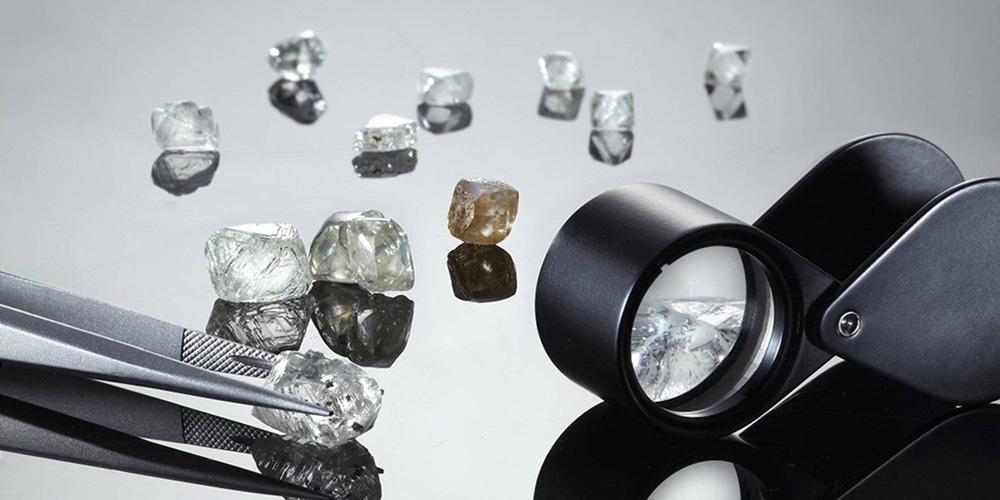
Why the Filter Is Needed: The small amount of visible blue-violet light emitted by the UV lamp itself can severely interfere with the human eye’s ability to discern the faint fluorescence emitted by the diamond. The UV filter almost completely blocks the visible stray light from the UV lamp while allowing the diamond’s fluorescence to pass through. This enables the inspector to clearly observe the pure fluorescence intensity and color, facilitating accurate grading.
Detecting Fracture Fillings: In diamonds filled with substances like glass to conceal fractures, the fillings often show specific fluorescence (e.g., orange-yellow or green-blue) or remain inert (no reaction) under UV light. This contrasts with the diamond’s natural fluorescence, revealing the presence of fillings.
Detecting Composite Stones: For diamonds composed of two or more layers, different sections may exhibit inconsistent fluorescence characteristics. Using a UV lamp and filter, clear boundaries in fluorescence between regions may be observed, identifying the stone as composite.
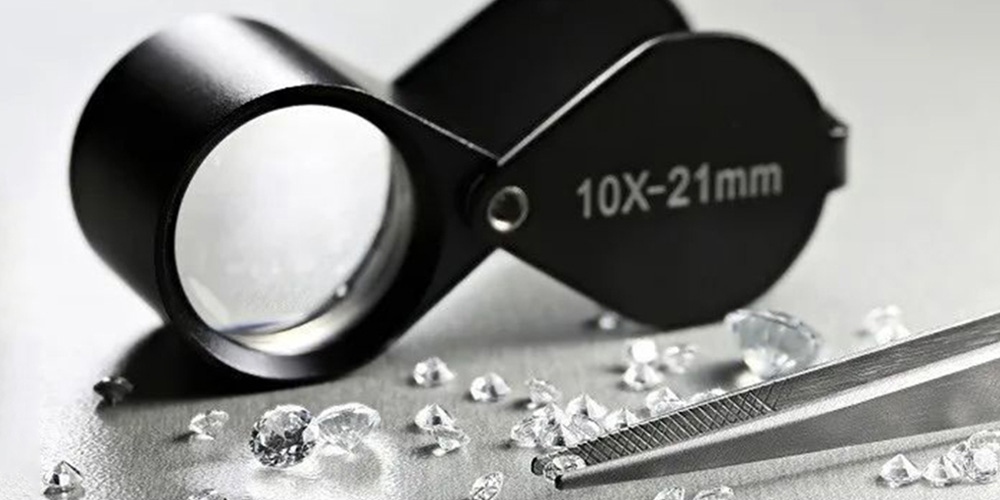
In diamond detection, the core function of an UV filter is to block the interfering visible light from the UV source, allowing the human eye to purely and clearly observe the fluorescence phenomenon of diamonds excited by ultraviolet light. It is a critical and professional tool used by gemologists for diamond fluorescence grading, preliminary authenticity identification, and detecting whether a diamond has undergone treatment.
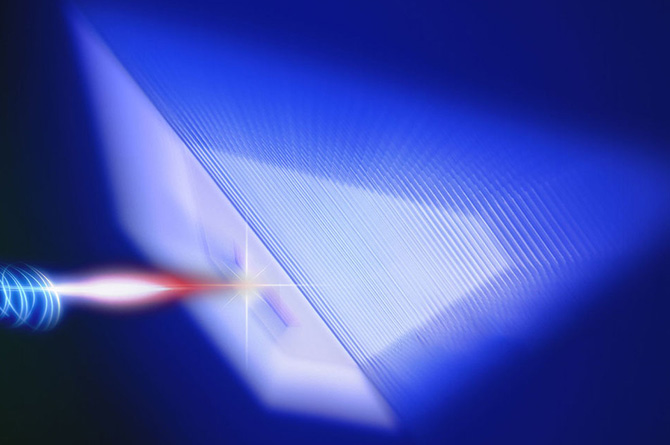
Fused Silica Windows in High-Power Lasers
The application of fused silica windows in high-power lasers is critical and irreplaceable. They primarily serve the dual roles of an “optical barrier” and a “laser transmission channel.”
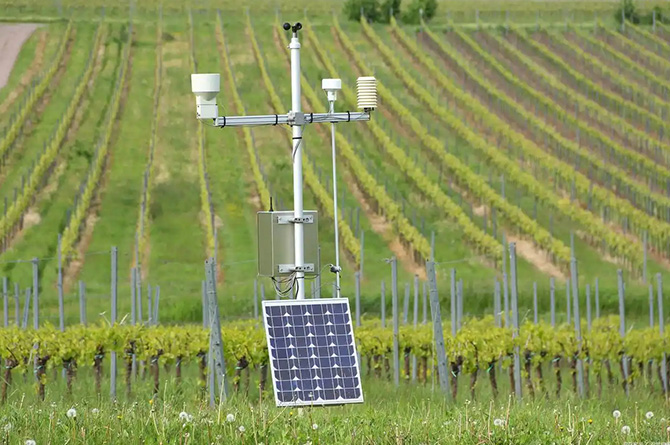
Optical Lenses Used in Agricultural Sensors
In essence, the application of optical lenses in agricultural sensors involves converting optical information (light intensity, spectrum, images) into electronic signals, which are then analyzed to determine the status of crops, soil, and the environment.
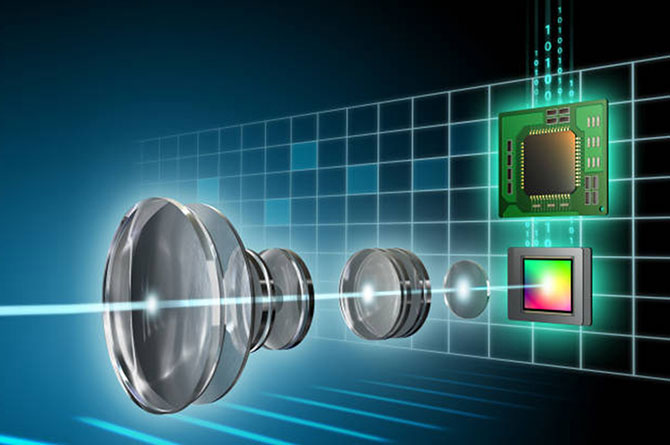
Bandpass Filters in Fluorescence Filed
Fluorescence bandpass filter is a special optical filter mainly used in fluorescence detection system (such as fluorescence microscope, flow cytometer, biochemical analyzer, etc.).