
Products

A BaF2 lens is often selected for applications that demand wide spectral transmission, from ultraviolet to infrared. On paper, the material offers excellent optical properties. In practice, however, system performance depends heavily on how well the lens is manufactured, coated, and inspected.
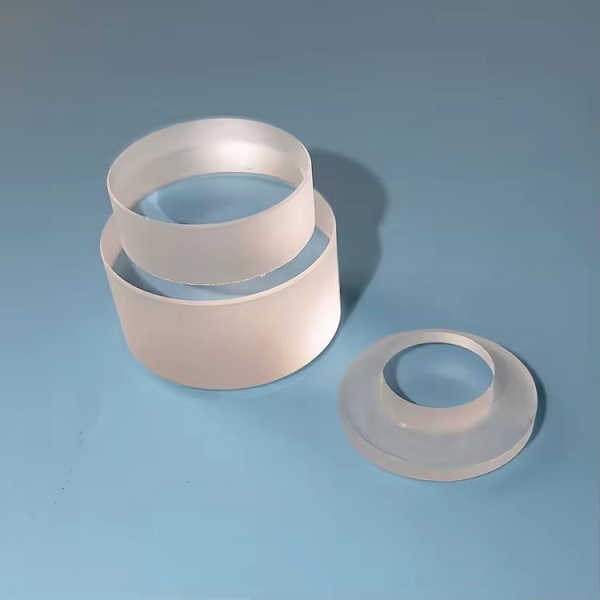
Many engineers and sourcing teams contact us after encountering problems such as fragile surfaces, inconsistent quality between batches, or limited technical feedback. As a direct manufacturer, we focus on turning theoretical material advantages into reliable performance in real environments.
This article explores common challenges customers face when buying BaF2 lenses and how working with a manufacturer can help reduce uncertainty.
A BaF2 lens is valued for its:
Because of these properties, BaF2 lenses are widely used in analytical instruments, research setups, aerospace optics, and infrared systems.
But material potential alone is not enough. Manufacturing quality determines whether a BaF2 lens will actually deliver stable results.
BaF2 is softer than many other infrared materials. Improper handling or polishing can introduce scratches or micro-defects that reduce performance.
How we help:
As a BaF2 lens manufacturer, we apply process controls designed specifically for delicate crystals. Careful polishing parameters and protective packaging help each BaF2 lens arrive ready for integration.
Research and industrial systems often require non-standard diameters, thicknesses, or tolerances.
Our approach:
We produce custom optical components built around your design. This allows the BaF2 lens to match the optical path instead of forcing changes elsewhere.
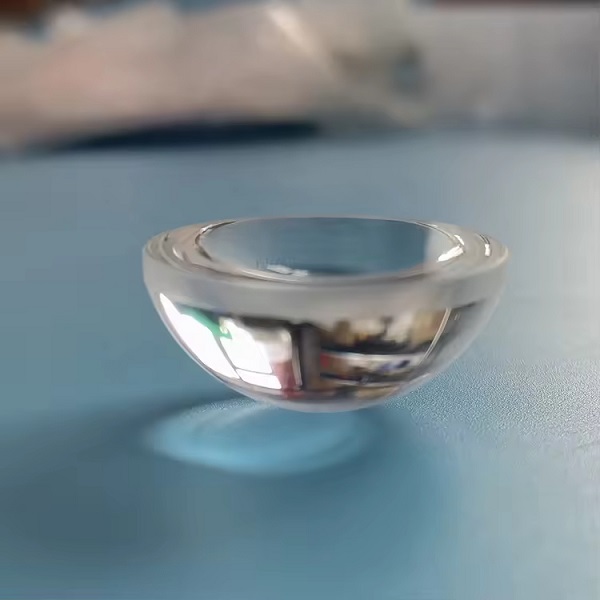
When repeat orders behave differently, teams may need to recalibrate instruments or adjust assemblies.
Manufacturer control matters:
Our precision optical components are produced within consistent workflows. Maintaining repeatability is central to how we supply BaF2 lenses for long-term programs.
Selecting BaF2 instead of other materials can involve trade-offs in durability, transmission, or cost.
Direct support:
Because we work across many optical applications, we can discuss where a BaF2 lens is advantageous and where another material might perform better. The goal is to support informed decisions.
A BaF2 lens is commonly found in:
You can explore how custom solutions are implemented in our optical case studies, where the emphasis is on real integration rather than marketing language.
Partnering with a manufacturer provides benefits beyond the product itself:
As a manufacturer, we collaborate with teams at many stages—from laboratory prototypes to production equipment—while respecting different technical and operational needs.
If you want deeper insight into material behavior, coatings, or manufacturing trade-offs, our optics blog shares knowledge gathered from real production experience.
You can also review available capabilities in our BaF2 lens solutions or begin at our official website to connect directly with our engineering team.