
Products
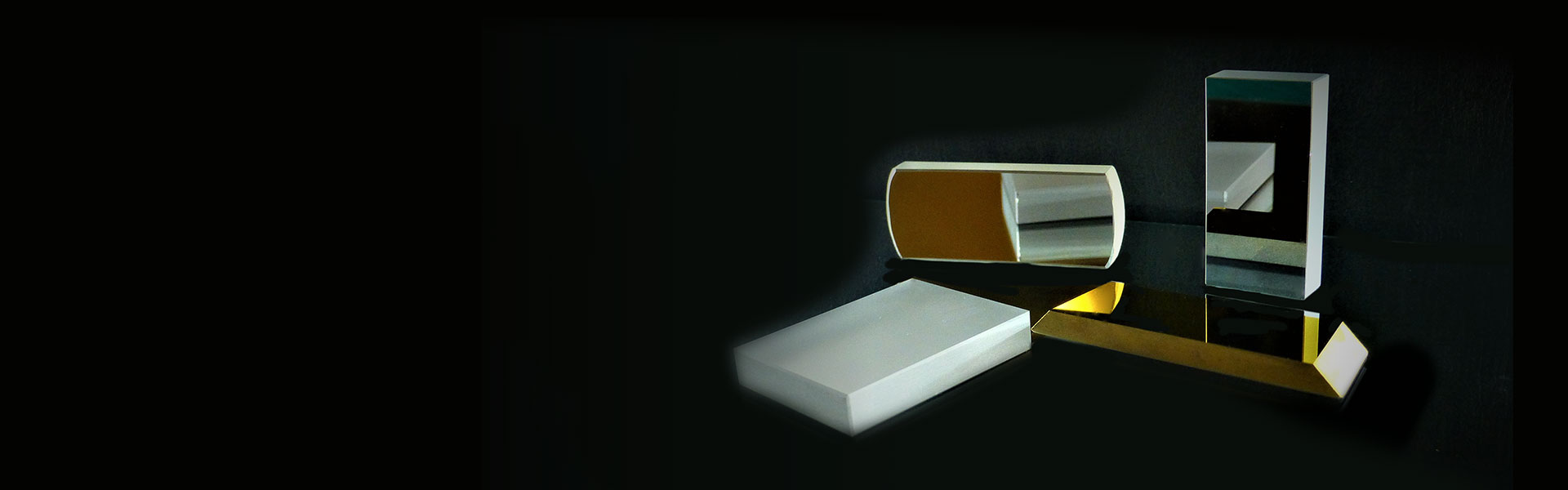
When optical systems demand high transmission, low dispersion, and long-term stability, many engineers turn to the CaF2 lens. Calcium fluoride lenses are widely used in UV, visible, and infrared applications—but sourcing a reliable CaF2 lens manufacturer is often more challenging than expected.
As a direct optical manufacturer, we work closely with system designers, integrators, and OEM teams who face recurring issues such as inconsistent material quality, long lead times, and limited customization options. This article breaks down those pain points and explains how the right CaF2 lens manufacturing partner can make a measurable difference.
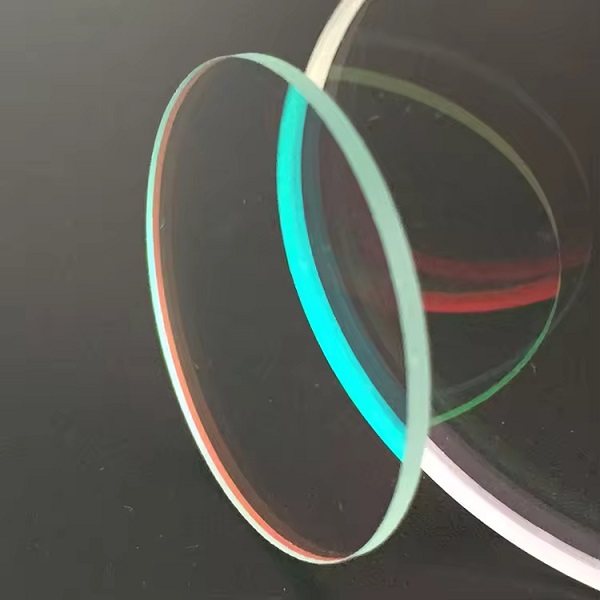
A CaF2 lens is valued for its exceptional optical properties, including:
These characteristics make CaF2 lenses essential in applications such as semiconductor lithography, laser systems, spectroscopy, and aerospace optics. However, performance on paper does not always translate into real-world reliability.
One of the most common complaints we hear is inconsistency. Even slight variations in crystal purity or surface accuracy can affect system calibration, especially in high-precision environments.
How we solve this:
As a CaF2 lens manufacturer, we control the full production process—from raw material selection to polishing and inspection. This allows us to maintain stable optical performance across batches, reducing rework and system-level risk.
Many off-the-shelf CaF2 lenses are designed for general use, not for your specific optical path, wavelength range, or mechanical constraints.
Our approach:
We manufacture custom optical components based on your drawings or performance requirements. This includes custom diameters, thicknesses, surface accuracy, and coatings—so your CaF2 lens fits your system, not the other way around.
CaF2 is softer than many optical materials. Improper processing or packaging can lead to micro-cracks, surface damage, or reduced lifetime.
What we do differently:
Our production and inspection standards are designed specifically for precision optical components made from CaF2. From controlled polishing parameters to protective packaging, we focus on minimizing handling risks throughout the supply chain.
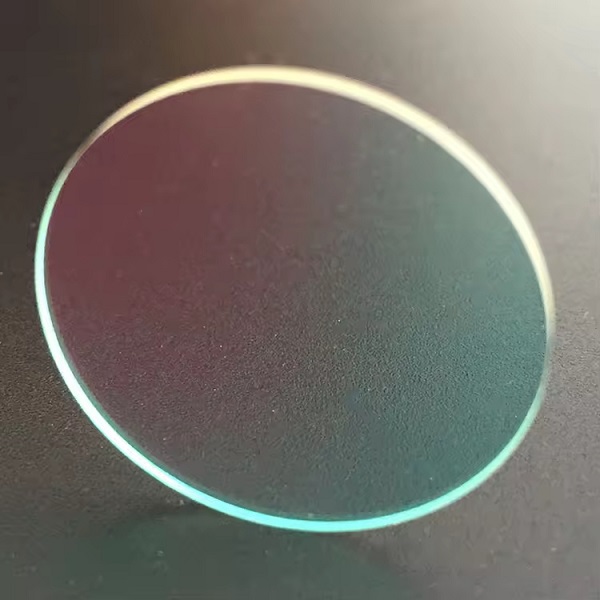
Engineering teams often lose weeks due to unclear timelines or slow technical feedback—especially when dealing with resellers instead of manufacturers.
Manufacturer-level support:
Working directly with our factory means faster response times, clearer feasibility feedback, and more realistic delivery schedules. Our experience across multiple optical applications helps us anticipate challenges early, before they affect your project timeline.
Our CaF2 lenses are widely applied in:
You can explore real-world examples in our optical case studies, which show how customized CaF2 solutions improve system stability and imaging accuracy.
Choosing a manufacturer instead of a trading company gives you:
As a manufacturer focused on long-term partnerships, we aim to support teams of all sizes—from early-stage R&D to scaled production—without assuming a one-size-fits-all solution.
If you’re evaluating materials or comparing optical designs, our technical articles may also be helpful. Visit our optics blog for insights on material selection, manufacturing processes, and application-specific considerations.
For product details, customization options, or technical discussions, you can start from our CaF2 lens solutions page or contact our team directly through the official website.