
Products
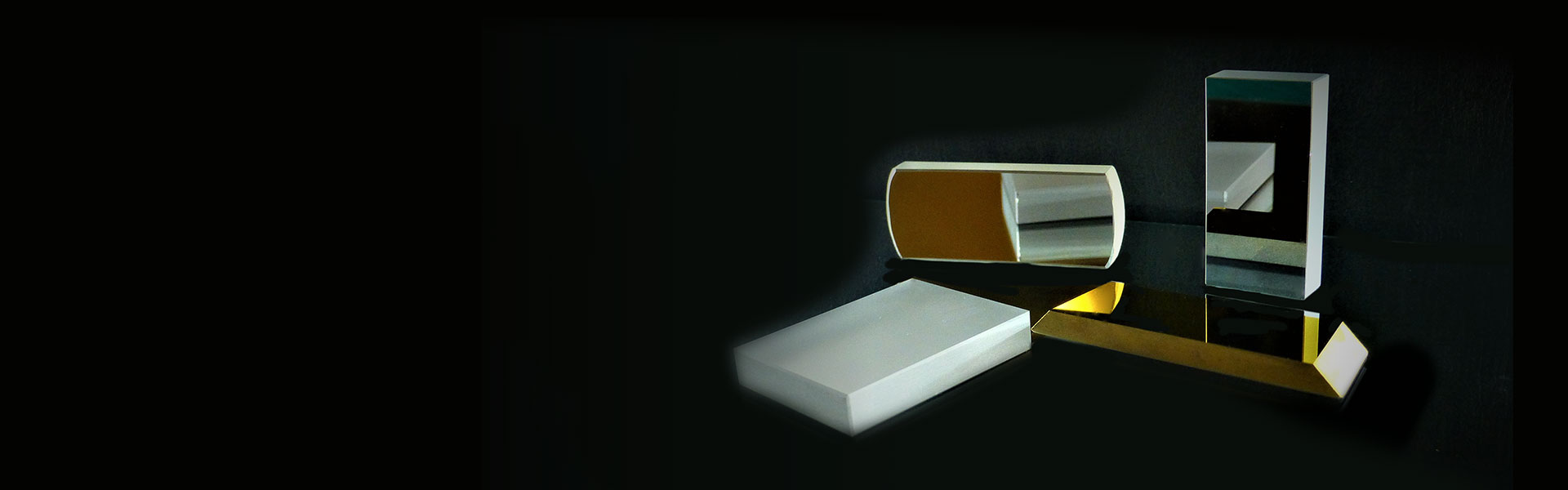
A thermal vision lens plays a decisive role in the clarity, stability, and reliability of any thermal imaging system. When performance issues appear in the field—such as blurred images, inaccurate temperature readings, or reduced detection range—the cause is often the lens rather than the sensor.
As a direct manufacturer, we work with system designers and integrators who rely on every thermal vision lens to perform consistently in demanding environments. This article looks at common challenges customers face and how manufacturer-level expertise helps deliver dependable long-term performance.

A thermal vision lens must transmit infrared energy efficiently and maintain optical accuracy across changing conditions. Small variations in material quality or surface precision can significantly affect contrast, focus, and measurement accuracy.
A well-designed thermal vision lens helps ensure:
These benefits are especially important in applications such as surveillance, industrial inspection, and safety monitoring.
Some systems perform well at first but degrade after extended use. This often results from coatings or materials that are not optimized for real operating environments.
How we address this:
As a thermal vision lens manufacturer, we manage production, coating, and inspection processes in-house. This allows each thermal vision lens to maintain consistent optical performance over long operating cycles.
Standard designs rarely fit every optical layout or mechanical constraint.
Our solution:
We produce custom optical components tailored to your specifications. Custom focal lengths, fields of view, and housing dimensions help each thermal vision lens integrate smoothly into your system.
Thermal systems often operate outdoors or in industrial settings where temperature shifts, humidity, and vibration are common.
Manufacturer-level control:
Our precision optical components are processed with environmental durability in mind. Every thermal vision lens is inspected to meet defined application standards, helping reduce failure risks.
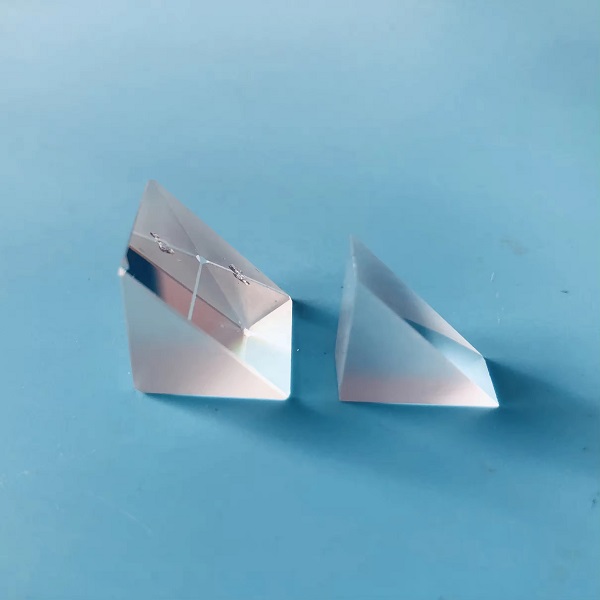
When technical questions pass through several intermediaries, development slows.
Direct factory support:
Working with us provides faster feedback and clearer engineering communication. Our experience in diverse thermal and infrared imaging applications helps identify design considerations early.
A thermal vision lens is widely used in:
You can explore real implementation examples in our optical case studies, which show how customized solutions improve imaging stability.
Choosing a direct manufacturer instead of a reseller provides:
As a manufacturer, we support different project stages—from prototype development to full production—without assuming a single design approach fits every system.
For deeper technical insights, visit our optics blog.
To explore available designs and customization options, start with our thermal vision lens solutions or visit our official website to connect directly with our team.