
Products

When the success of your optical system hinges on nanometer-scale precision and wavelength-specific transmission, the conversation inevitably shifts to glass optical components. Unlike polymer alternatives that compromise on thermal stability or crystalline materials that break budgets with extended lead times, engineered glass occupies the performance sweet spot—superior clarity, exceptional durability under thermal load, and refractive precision that has defined optical excellence for over a century.
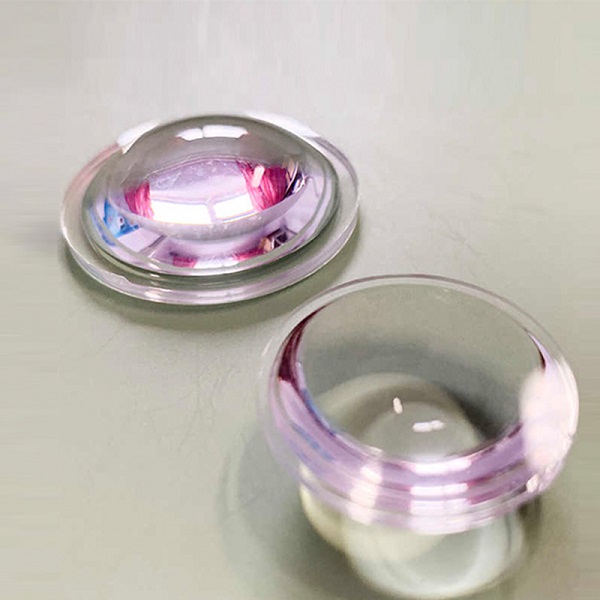
Yet the procurement landscape for these components has transformed dramatically. The global advanced optics material market reached $10.6 billion in 2024, with glass materials alone accounting for 35.3% of that value—approximately $3.7 billion dedicated specifically to glass optical components . These numbers reflect a fundamental reality: glass optical components are no longer catalog commodities purchased through price comparison. They are engineered solutions requiring deep supplier partnerships, technical validation, and strategic sourcing discipline.
This handbook delivers what procurement professionals actually need—a structured framework for evaluating glass optical component suppliers, technical insights that prevent expensive specification mismatches, and market intelligence that transforms sourcing from a cost center into a competitive advantage.
Understanding what makes optical glass different from ordinary glass—and why those differences matter for your supply chain—requires diving into material science fundamentals that directly impact component performance.
The term “glass optical components” encompasses dozens of distinct material formulations, each engineered for specific optical behaviors. Optical glass is categorized primarily by refractive index and Abbe number, which together determine how light bends and disperses as it passes through the component.
BK7 borosilicate crown glass remains the industry workhorse, representing the most widely specified material for lenses, prisms, and windows operating in the visible spectrum. With exceptional homogeneity and low bubble content, BK7 delivers the optical clarity essential for precision imaging systems . For applications demanding broader spectral performance, fused silica extends transmission from the ultraviolet through near-infrared while maintaining near-zero thermal expansion—critical for laser systems where dimensional stability under thermal load is non-negotiable.
The material hierarchy extends further. Lanthanum-containing glasses enable high-refractive-index, low-dispersion performance essential for compact AR/VR optics. Infrared-transmitting materials like zinc selenide and germanium serve defense and thermal imaging applications where standard glass absorbs rather than transmits . Each material class requires different processing expertise, meaning supplier selection must align with your specific wavelength and environmental requirements.
The optical glass market encompasses several distinct categories serving different applications. Colorless optical glass dominates high-precision applications—microscopes, telescopes, and scientific instruments—where transmission efficiency and minimal distortion are paramount . Colored optical glass serves applications requiring selective light filtration, including photography, spectroscopy, and laser systems where specific wavelength absorption is required.
Specialty glass categories address emerging applications. Laser glass enables industrial cutting, medical procedures, and military guidance systems through precisely controlled emission and amplification properties . Photochromic glass automatically adjusts transmission based on ambient light, finding applications in smart eyewear and adaptive optical systems. The development of nonlinear optical glass opens possibilities for optical computing and all-optical signal processing—technologies that will define the next generation of photonic systems .
Leading glass manufacturers like OHARA maintain product portfolios exceeding 140 glass types, serving applications from photography and microlithography to astronomy and telecommunications. Their ability to melt over 500 tons of glass monthly and produce more than 25 million precision pressings demonstrates the industrial scale required for consistent optical glass supply .
Glass optical components have transcended their traditional roles in cameras and microscopes. Today’s growth engines reflect fundamental shifts in how industries capture, transmit, and manipulate light.
Consumer electronics accounts for the largest share of optical glass consumption, with the segment valued at $2.9 billion in 2024 and projected to grow at 5.9% CAGR through 2034 . Smartphone cameras, AR/VR headsets, and compact imaging modules demand ever-thinner, lighter, and higher-performance optics. Multi-lens arrays, freeform surfaces, and wafer-level optics have transformed what buyers expect from component suppliers.
The integration of optical glass into wearable technology represents a significant trend. Smart glasses combining vision correction with digital displays have seen dramatic adoption—Ray-Ban Meta smart glasses experienced 40% sales growth within their first three months of release . AI-powered virtual try-on tools have increased online eyewear sales by 35%, driving demand for high-quality glass lenses that deliver both optical performance and aesthetic appeal .
The automotive revolution has created entirely new demand categories. LiDAR systems, camera-based driver monitoring, and head-up displays require optical glass that maintains performance across extreme temperature ranges and vibration environments. Each autonomous vehicle is projected to incorporate more than 15 optical sensors and cameras, significantly expanding the addressable market for precision glass components .
Advanced Driver Assistance Systems (ADAS) rely on high-quality lenses as primary sensory inputs for decision-making and perception. Post-pandemic vehicle purchases have accelerated adoption of these safety features, directly increasing demand for automotive-grade optical components .
Medical imaging represents the fastest-growing application segment, with endoscopy, optical coherence tomography, and digital pathology systems pushing resolution and miniaturization boundaries. Over 70% of modern endoscope systems now incorporate advanced optical glass components . The global expansion of healthcare infrastructure, particularly in developing economies, continues driving adoption of optical glass in diagnostic and surgical applications.
Glass optical components in medical applications must meet biocompatibility requirements, sterilization tolerance, and defect specifications far beyond consumer-grade standards. Suppliers serving this space maintain cleanroom manufacturing environments and documented validation protocols—capabilities that separate medical-grade suppliers from commercial optics vendors.
The fiber optic networks underpinning global communications depend critically on optical glass quality. Corning reported 51% revenue growth in its optical communications segment, reaching $1.37 billion, driven by strong demand for optical fiber materials used in AI computing applications . Global fiber deployment now exceeds 5 million kilometers annually, each kilometer requiring precision glass components for signal transmission and management .
As artificial intelligence drives exponential growth in data center requirements, the demand for high-performance optical glass in transceivers, switches, and interconnects continues accelerating. This isn’t incremental growth—it represents fundamental infrastructure transformation.
The glass optical components industry is experiencing manufacturing transformation as profound as the applications it serves. Understanding these innovations helps buyers differentiate genuine capability from marketing claims.
Traditional glass optics manufacturing involves subtractive processes—grinding, lapping, polishing—that remove substantial raw material and consume days or weeks per component. Precision glass molding (PGM) has emerged as a transformative alternative, enabling high-precision replication of complex optical surfaces through high-temperature hot pressing .
Recent advances in glass-glass molding demonstrate the potential for fabricating double-sided microlens arrays with exceptional alignment accuracy. By using high-transition-temperature glass molds to shape low-transition-temperature glass, researchers have achieved concave-convex double-sided microlens arrays with spot uniformity reaching 97.23%—performance suitable for laser beam homogenization and advanced imaging applications .
This method minimizes alignment errors during molding, eliminates inconsistencies caused by dual mold cores, and enhances alignment accuracy for high-precision manufacturing. For procurement professionals, suppliers investing in glass molding capabilities signal commitment to next-generation manufacturing efficiency and complex geometry production.
High-quality optical components for consumer products are increasingly fabricated through integrated process chains covering every step from mold design through final measurement. This approach encompasses advanced mold machining, precision coating deposition, replication processes, and comprehensive metrology .
The integration of these steps under single-supplier control reduces interface risks, eliminates tolerance stack-up between separate vendors, and accelerates time-to-market for new designs. Buyers evaluating suppliers should assess not just individual capabilities but the completeness of their process chains—can they design, mold, coat, and qualify components in-house, or do they rely on external partners for critical steps?
Machine learning is migrating from software into glass manufacturing. Real-time monitoring systems now compare physical process measurements against finite element simulations, adjusting parameters dynamically to maintain dimensional accuracy. The result is reduced material waste, fewer development iterations, and more consistent production—benefits that flow directly to buyers through improved yields and shorter qualification cycles.
In-process metrology has evolved dramatically, enabling measurement of optical surfaces during rather than after production. This capability reduces scrap rates and ensures that deviations are caught before complete processing investments are made. Suppliers deploying advanced metrology demonstrate commitment to quality consistency beyond traditional statistical process control.
Glass optical component manufacturing concentrates in regions with distinct advantages and trade-offs. Strategic sourcing requires matching regional strengths to application requirements while managing geopolitical and logistics risks.
China dominates global optical glass production through regional specialization that enables both scale and technical depth. The country accounts for more than 50% of global optical glass production, with hubs distributed across strategic locations .
Nanyang has emerged as a center for scientific and industrial optics, producing precision achromatic doublets, polarized filters, and laser-grade substrates. Facilities here integrate interferometric testing and CNC-controlled grinding, enabling tolerances suitable for medical devices and defense applications. Specialized suppliers like Jingchi Optoelectronics Technology in Beijing offer JGS1, JGS2, and JGS3 quartz glass alongside optical coating materials, serving both domestic and international clients including Japanese, Korean, and German optical enterprises .
Shenyang and Qingdao host manufacturers specializing in sapphire, fused silica, and crystalline materials for demanding applications. These hubs benefit from vertically integrated supply chains—from raw material processing to precision finishing—enabling faster turnaround and tighter quality control than decentralized alternatives .
For ultra-high-end applications—space optics, advanced lithography, quantum systems—German and Japanese suppliers maintain leadership through proprietary glass formulations and process expertise. SCHOTT, HOYA, OHARA, and Nikon dominate this tier, commanding premium pricing but delivering material consistency and technical support that volume manufacturers cannot match.
OHARA exemplifies this precision tier, operating globally with production and distribution sites across Japan, Taiwan, Malaysia, China, the United States, and Germany. With over 140 glass types and monthly melting capacity exceeding 500 tons, these established players provide the material stability essential for long-lifecycle products .
North America captures approximately 20% of global optical glass demand, driven by defense expenditures and concentration of aerospace and tech development activities . Suppliers serving this market typically emphasize ruggedized designs and compliance with military specifications, with substantial government and private investment in photonics and quantum technologies.
Europe accounts for about 15% of global consumption, with Germany contributing over 35% of regional production. The continent benefits from extensive R&D activity and strong optical equipment manufacturing traditions . Germany in particular maintains leadership through robust structures for advanced technology development and close integration between research institutions and industrial manufacturers.
Selecting glass optical component suppliers requires moving beyond glossy brochures to rigorous, multi-dimensional assessment. Technical capabilities must be verified through documentation and testing. Operational metrics provide insight into supplier reliability that price alone cannot capture.
Begin by verifying material expertise across the glass families relevant to your application—BK7 for visible imaging, fused silica for UV laser systems, chalcogenides for infrared transmission. Request refractive index measurements, Abbe number validation, and spectral transmittance curves for actual production batches, not just datasheet values.
For custom geometries, the evaluation deepens. Aspheric lenses require deterministic polishing or precision molding capabilities that differ fundamentally from spherical surfacing. Cylindrical optics demand specialized generating equipment. Diffractive optical elements push into lithographic territory. Leading suppliers maintain in-house capabilities for these advanced geometries and provide documentation of achieved tolerances.
Coating capabilities often separate capable suppliers from exceptional partners. Anti-reflective coatings, dielectric mirrors, and dichroic filters require vacuum deposition systems with thickness monitoring and adhesion validation. Request coating durability data—humidity testing per MIL-STD-810, abrasion resistance per MIL-C-48497, and spectral stability over time—before committing to production volumes .
ISO 9001 certification provides baseline confidence, but optical quality demands deeper verification. Scratch-dig specifications (typically 60-40 or better for precision optics), wavefront distortion (λ/4 or λ/10), and centration tolerances (arc-minute or arc-second) require specific measurement capabilities.
Inspect the metrology arsenal during virtual or on-site audits. Interferometers verify surface figure. Spectrophotometers confirm coating performance. Profilometers measure surface roughness. Suppliers lacking in-house interferometry cannot reliably deliver λ/4 optics regardless of their claims .
For high-precision applications, request evidence of traceability to international standards. Batch-specific documentation, material origin reports, and test results provide confidence that quality systems are actually followed rather than merely certified.
Transaction data from verified suppliers reveals patterns that technical discussions miss. On-time delivery rates below 90% indicate production planning or capacity issues that samples won’t expose. Response times exceeding three hours suggest account management structures that will frustrate urgent requirements .
Reorder rates provide perhaps the most powerful signal. Rates above 20% generally indicate strong customer retention and satisfaction, while figures below 15% may warrant deeper investigation into post-sale support or quality consistency. Some specialized suppliers in complex, low-volume niches naturally show lower reorder rates but maintain stable relationships through technical depth rather than transactional volume .
Online revenue exceeding established thresholds correlates with export experience, inventory depth, and after-sales infrastructure. While not deterministic, these metrics flag suppliers with demonstrated capability to serve international clients consistently.
Real-world data from active suppliers illustrates the variation in capabilities across the market :
Nanyang Jingying Trade offers sapphire and borosilicate components with single-piece minimum orders starting at $8–$15, supported by 94% on-time delivery and sub-three-hour response times—suitable for prototyping and small-batch production.
Shenyang Ebetter Optics specializes in sapphire, calcium fluoride, and BK7 with perfect 100% on-time delivery across a wide price range of $1–$45, though response times average up to 12 hours, indicating a more deliberate engineering review process.
Qingdao Jingrun delivers sapphire and fused silica components with 98% on-time delivery, sub-two-hour responses, and single-piece minimums starting at $5—exceptional flexibility for development-stage requirements.
Changchun Yutai Optics maintains a broad catalog of sapphire, K9, and fused silica components priced from $3–$30, with 94% on-time delivery and consistent sub-two-hour response times.
Glass optical components involve specialized materials,精密加工, and international logistics. Systematic risk mitigation protects program timelines and total cost of ownership.
Never bypass sample testing regardless of supplier reputation. Order initial batches representing your production configuration—same material, same coatings, same tolerances. Verify performance against specifications using independent measurement where feasible.
For coated optics, request environmental testing: humidity exposure, temperature cycling, abrasion resistance. Coating failures often emerge under stress that simple transmission measurements miss. Leading suppliers provide these test results as standard practice rather than exceptional accommodation .
Document acceptance criteria before ordering. Surface quality (scratch-dig), centration tolerance, clear aperture definition—ambiguity in any specification invites interpretation disputes. Use international standards (ISO 10110, MIL-PRF-13830) to establish common language with suppliers.
Avoid full prepayment regardless of supplier assurances. Milestone-based structures—30% deposit, 40% upon production completion, 30% after shipment—align incentives and preserve leverage. Platform trade assurance programs provide additional protection for transactions conducted through verified channels.
For high-value programs, consider third-party inspection before shipment. Services like SGS or Bureau Veritas can verify quality against specifications, preventing surprises at destination and providing independent documentation for quality records.
Time zone differences and language barriers create misalignment risk. Implement structured request-for-quotation templates specifying material grade, dimensional tolerances, coating requirements, and acceptance criteria. Request mechanical drawings and coating specifications before ordering.
Designate single points of contact on both sides to reduce information fragmentation. Suppliers with sub-two-hour response times typically maintain dedicated account management structures that support complex requirements effectively .
Geopolitical tensions and raw material availability affect glass optical components. The industry depends on specialized raw materials—high-purity silica sand, boron oxide, lanthanum—with concentrated supply sources. High-purity silica costs have increased approximately 15% since 2022, while rare earth elements used in optical coatings have experienced price volatility up to 25% .
Dual sourcing across geographic regions provides hedge against disruption. Consider qualifying one Asian supplier for cost-competitive volume and one Western supplier for assured supply of mission-critical components. The cost premium for redundancy often justifies itself during the first supply interruption.
Request original invoices, batch numbers, and material traceability documentation. Conduct visual inspection of surface quality and edge finish. For critical applications, perform independent spectral verification or engage third-party testing laboratories. Reputable suppliers maintain complete material provenance records and share them with qualified buyers .
Optical glass grades differ in refractive index homogeneity, bubble content, and stress birefringence. Premium grades offer tighter tolerances on these parameters, essential for diffraction-limited systems and high-power laser applications. Commercial grades provide adequate performance for illumination and imaging applications where absolute wavefront accuracy isn’t critical.
Yes, suppliers with in-house vacuum coating systems can tailor anti-reflective or dielectric coatings for your specific wavelength requirements—visible, NIR, SWIR, or broadband. Request spectral data sheets showing actual measured performance across the operational band, not just theoretical design values .
For precision glass molding, tool fabrication typically requires 8–12 weeks. For machined prototypes from existing tooling, 2–4 weeks is typical. Standard components from inventory often ship within 7–14 days. Always confirm timelines in calendar days and build buffer for first-article approval cycles .
Higher-tier suppliers employ optical engineers who can review your requirements and suggest material or geometry optimizations. This support often proves invaluable for applications pushing performance boundaries, potentially reducing cost or improving manufacturability through collaborative design refinement .
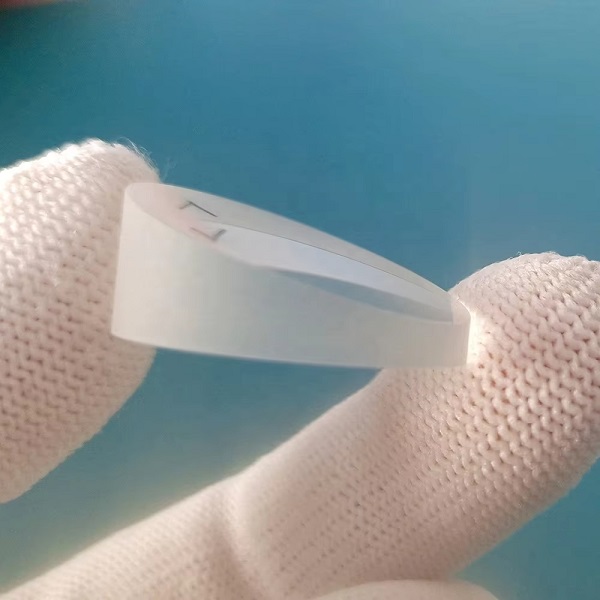
Glass optical components represent the intersection of material science, precision manufacturing, and application-specific engineering. Success in sourcing these components requires moving beyond price comparisons to deep evaluation of technical capabilities, quality systems, and operational reliability.
The market offers options across performance tiers: volume manufacturers delivering cost-effective standard optics, precision specialists supporting demanding industrial applications, and global leaders enabling cutting-edge research and development. Each serves valid needs—the key is matching supplier strengths to your specific requirements.
By implementing structured evaluation frameworks, validating capabilities through samples and audits, and building relationships with suppliers that demonstrate both technical depth and commercial integrity, procurement organizations transform glass optical components from supply chain risk into competitive advantage.
The optical systems being designed today will define how we capture, transmit, and visualize information for years to come. The glass optical components and suppliers you select today will determine whether those systems perform as intended—or become bottlenecks that limit what’s possible. Choose wisely, validate thoroughly, and build partnerships that scale with your ambitions.